


SWISS LUBE
The magazine for the machining industry
With our new magazine, we aim to offer exciting insights into the machining industry, highlight connections, and shed light on background information.
Articles
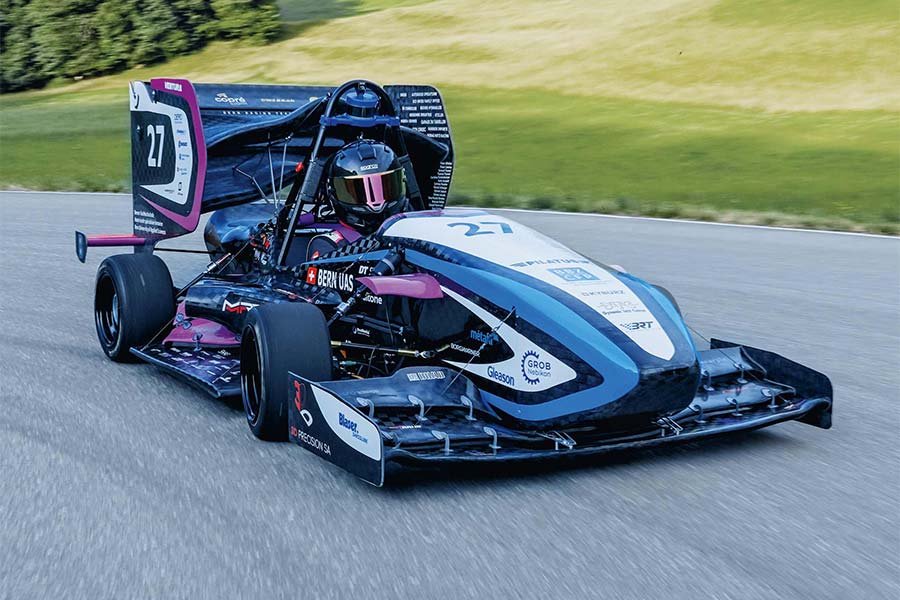
Driving success with an innovative wheel carrier
Each year, the Bern Racing Team at Bern University of Applied Sciences (BFH) draws on the latest Technology to build an electric vehicle within nine months that it then uses to take part in the Formula Student racing series. For the 2026 season, the team decided to break with tradition and embrace innovation. Blaser Swisslube’s expertise made it possible to manufacture the wheel suspension with a high degree of precision.
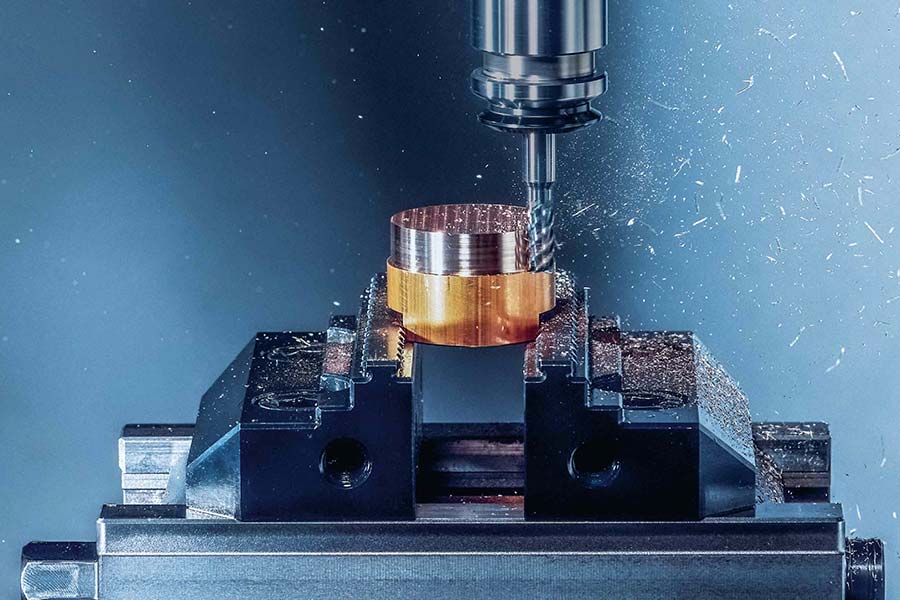
Market proximity, acceptance, and openness are key factors for innovation
At Rego-Fix in Tenniken, Switzerland, creative drive and innovation are part of the company’s very DNA. The manufacturer of precision tool clamping systems has set up a dedicated ideas’ pool for its employees. “To ensure innovation long-term, market proximity, customer acceptance, and keeping an open mind – both technologically and economically – are all key factors for success,” notes CEO Pascal Forrer.

“Innovation is an ongoing process”
The center of excellence for transferring technology, inspire AG, in Zurich, serves as a functional interface between the world of research and the mechanical, electrical, and metal industries. Senior advisor Konrad Wegener speaks here in an interview about innovation,responsible resource management, and the opportunities presented by artificial intelligence in the machining industry.
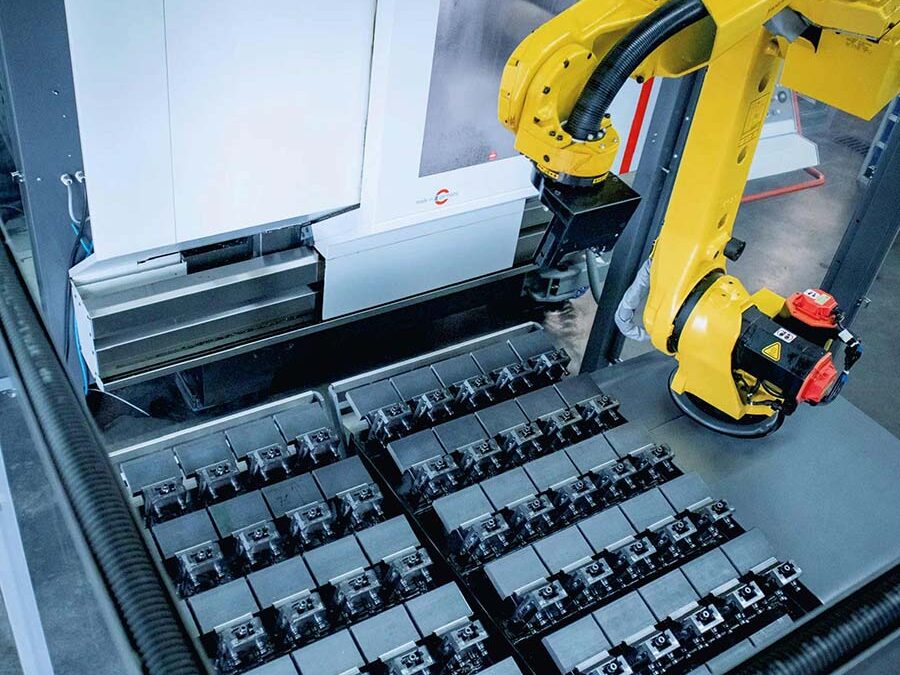
Innovation in the machining industry
Automation and digitalization have become the driving forces behind the machining industry. Where an operator once monitored tools, today it is sensors that take on this role. The goal is to optimize efficiency and, by extension, productivity. And yet, the data collected still holds untapped potential.
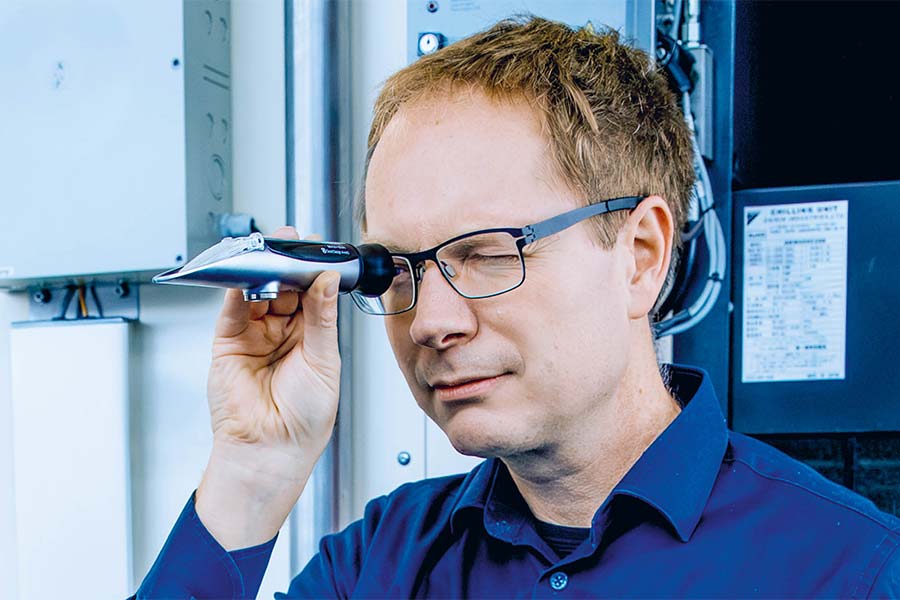
How can we keep a coolant stable for as long as possible – and why is this important?
The short answer: by carefully selecting the product and with professional handling and care.
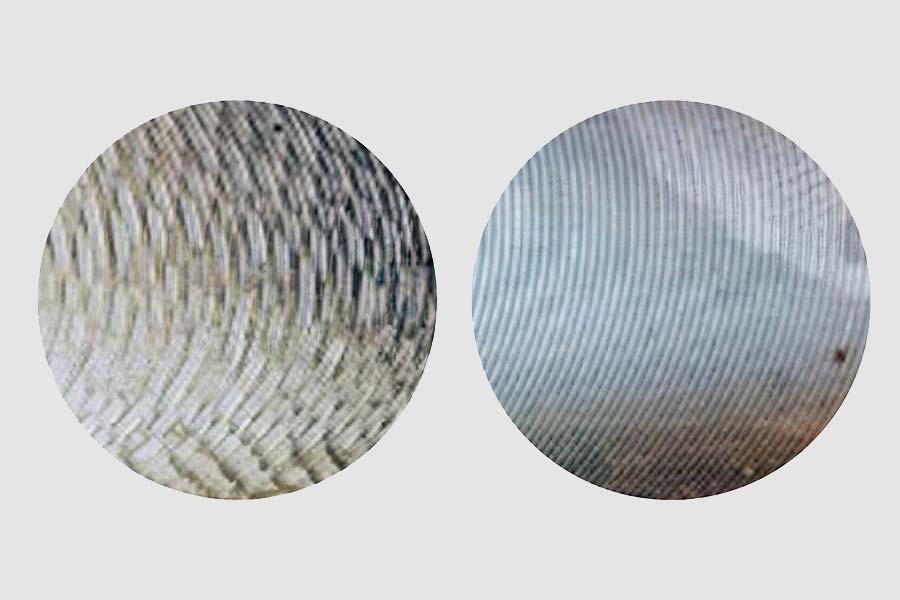
Solutions for better process stability
In order to improve process stability in the machining industry, the Fraunhofer Institute for Machine Tools and Forming Technology (IWU) in Chemnitz, Germany, and Swiss company inspire AG have been conducting research into possible new solutions. This research focuses in particular on a combination of simulations as well as fast methods of measurement or monitoring.

From late bloomer to “bad guy”
Matthias Aeschbacher is one of Switzerland’s best Swiss wrestlers. His success depends on hard work and stability. Blaser Swisslube, as one of his sponsors, enables him to function as a top athlete. He has already celebrated several historic successes but is still working towards one particular dream.

Mazak’s secret to success
Yamazaki Mazak Corporation, a leading company in the machine tool industry, is known as an industry leader for its innovative products and technologies as well as for its global support network, while operating as a family-owned company. President Takashi Yamazaki explains how the company has achieved a stable position in a changing market.
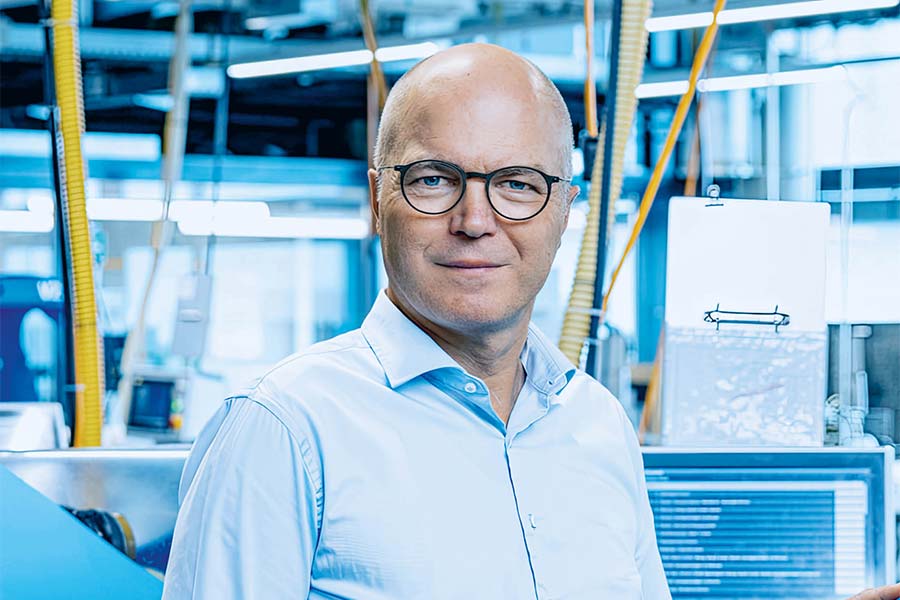
“Stability makes Switzerland attractive”
Laubscher Präzision AG in Täuffelen, in Switzerland, has been family-owned since 1846. CEO Raphael Laubscher represents the sixth generation to run the company. In this interview, he speaks about precision, the pursuit of quality in production, and about stability as well as other secrets to success.
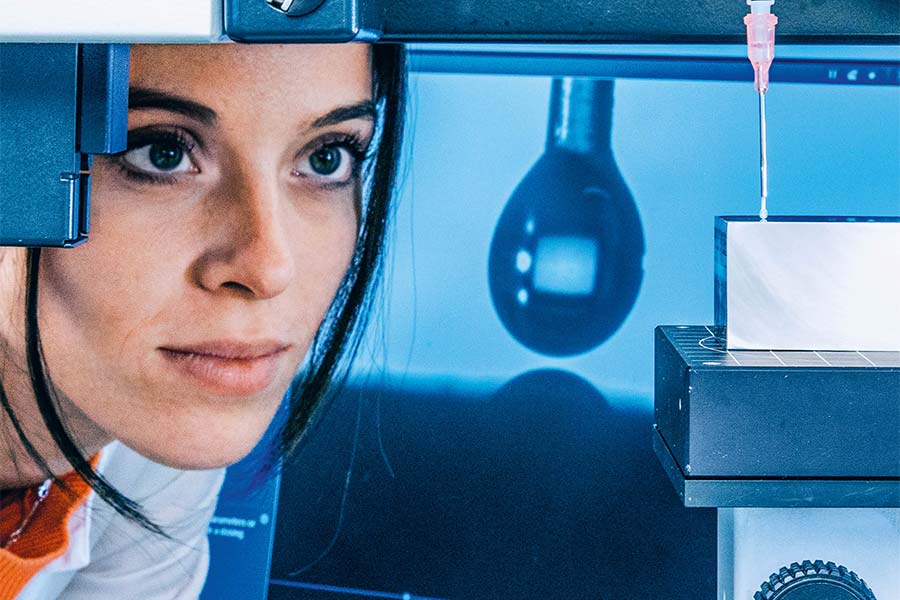
Stability as a success factor
Stability is also an important aspect in the development of metalworking fluids: Blaser laboratory technician Alessia Cona...
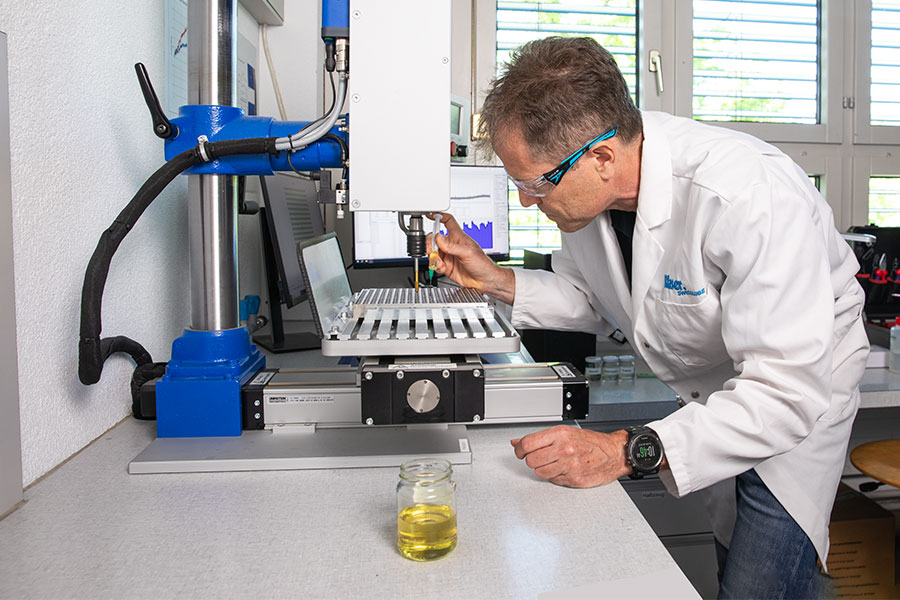
How important are coolant additives for the machining process?
Additives in machining are a bit like the spices added to a dish: The impact changes depending on which ones you use. Additives have a major influence on the entire machining process and on productivity.
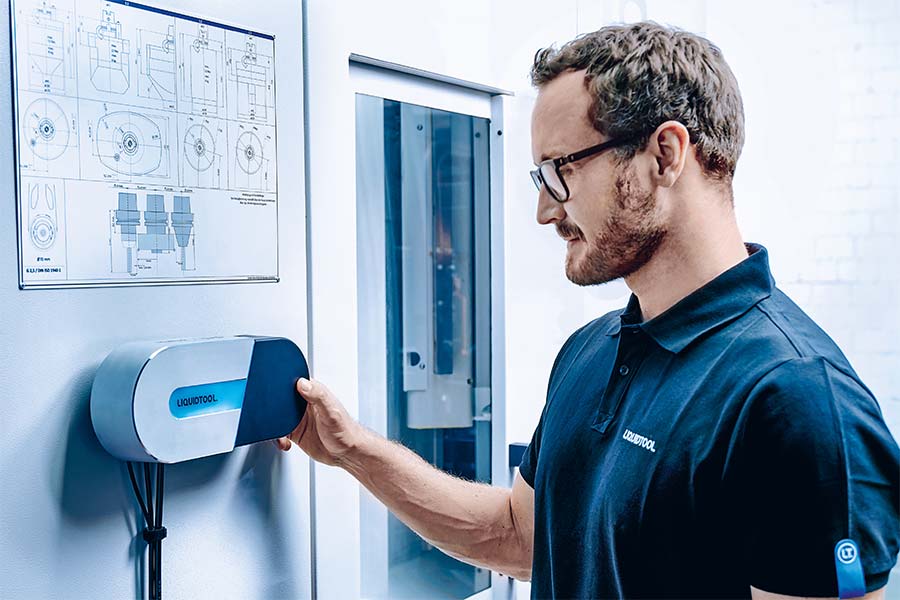
AI and the role it plays in machining
The achievements of artificial intelligence (AI) are not stopping at the machining industry. In the area of quality control, AI models are already providing valuable services in many companies. However, the range of applications in complex machining processes could expand even further.